
Corrosion Control & Monitoring for Critical Electronics in Hospitals & Data Centres ?

Critical electronic systems in hospitals and data centres are highly vulnerable to atmospheric corrosion caused by airborne contaminants such as hydrogen sulfide (H₂S), chlorine (Cl₂), sulfur dioxide (SO₂), and ammonia (NH₃). These corrosive gases can damage sensitive electronic components, circuit boards, copper traces, and silver contacts, leading to equipment malfunction, downtime, and costly failures.
In hospitals, corrosion can affect life-critical systems including diagnostic equipment, laboratory instruments, patient monitoring devices, and HVAC control systems. In data centres, corrosion threatens servers, network infrastructure, UPS systems, switchgear, and control panels, impacting operational reliability and data security.
Key Causes of Corrosion
- High humidity and moisture ingress
- Inadequate ventilation or filtration
- Exposure to industrial or sewage-related gases
- Temperature fluctuations and condensation
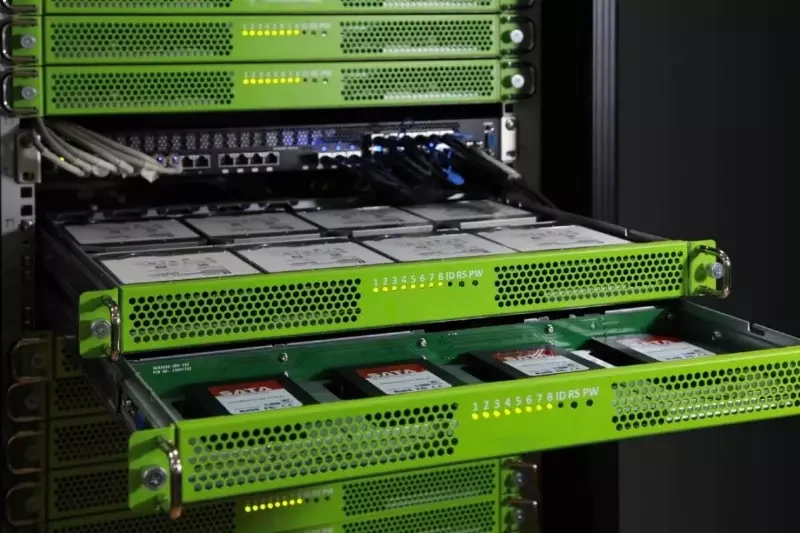
Protecting Electronics and Critical Equipment from Corrosive Damage
Benefits of Corrosion Monitoring
Prevents unexpected equipment failures
• Improves reliability of critical electronics
• Reduces maintenance and replacement costs
• Enhances operational safety and uptime
• Supports predictive maintenance strategies
Advanced corrosion monitoring systems help facility operators detect corrosive environments at an early stage, enabling proactive corrective actions to protect critical infrastructure and ensure long-term system performance.