
Water Treatment Chemicals and Resins

Water treatment chemicals and ion exchange resins play a critical role in maintaining the operational efficiency, reliability, and longevity of industrial water systems. In industries such as power generation, pharmaceuticals, food processing, petrochemicals, textiles, HVAC, and manufacturing, water is extensively used in boilers, cooling towers, chillers, heat exchangers, and process systems. Untreated water contains dissolved salts, hardness minerals, suspended solids, silica, dissolved gases, and microbial contaminants that can lead to scaling, corrosion, fouling, biofilm formation, and reduced heat transfer efficiency. Water treatment chemicals such as corrosion inhibitors, scale inhibitors, oxygen scavengers, biocides, antiscalants, and pH conditioners help control water chemistry, prevent deposit formation, minimize microbial growth, and protect critical equipment from deterioration. Similarly, water treatment resins used in softening, demineralization, and deionization systems remove hardness ions and dissolved impurities through ion exchange processes, ensuring high-purity water for industrial applications.
From a technical perspective, effective water treatment significantly improves thermal efficiency, reduces energy consumption, minimizes blowdown losses, enhances steam quality, and protects metallurgical integrity in high-pressure systems. Proper treatment prevents calcium carbonate, calcium sulfate, and silica scaling, which otherwise reduce heat transfer coefficients and increase surface temperatures, resulting in tube overheating and failure. Corrosion control chemicals reduce electrochemical degradation caused by dissolved oxygen, carbon dioxide, and low pH conditions, thereby preventing pitting, galvanic corrosion, and metal loss in pipelines and heat exchangers. Ion exchange resins maintain low conductivity and controlled Total Dissolved Solids (TDS), which are essential for preventing fouling and ensuring stable process performance. Advanced water treatment programs also improve membrane efficiency in RO systems, reduce maintenance frequency, extend equipment lifespan, optimize operational reliability, and support environmental compliance by minimizing chemical discharge and water wastage. Therefore, water treatment chemicals and resins are fundamental components in achieving sustainable, efficient, and safe industrial water management systems.
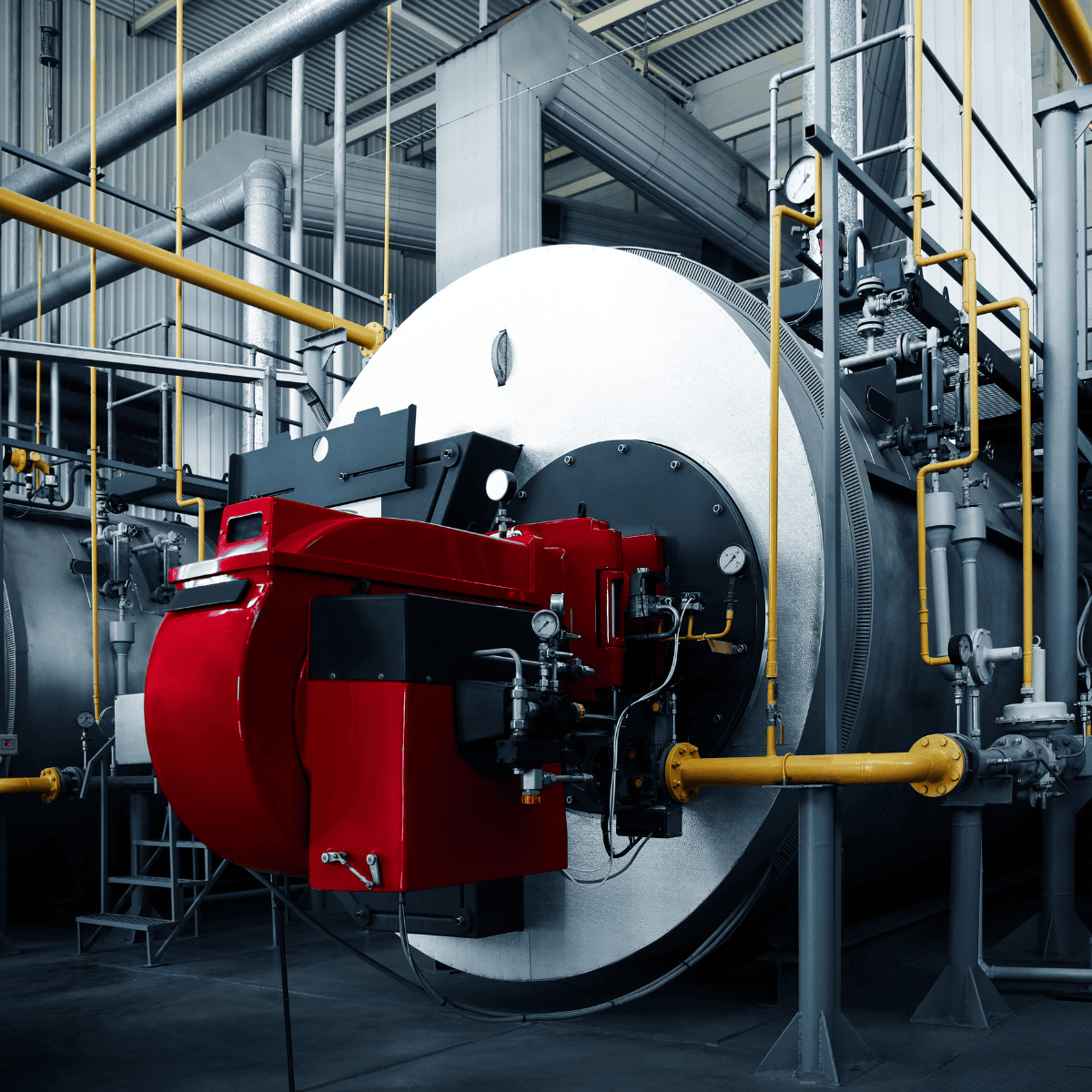
Powering Boilers with Smart Water Treatment.
The major problem in boiler systems is the presence of impurities in feed water, such as dissolved salts, hardness minerals, oxygen, carbon dioxide, silica, and suspended solids, which lead to scaling, corrosion, sludge formation, foaming, and carryover inside the boiler. These issues reduce heat transfer efficiency, increase fuel consumption, damage boiler tubes, lower steam quality, and shorten equipment lifespan. Without proper boiler water treatment chemicals, industries face frequent shutdowns, high maintenance costs, energy losses, and safety risks due to tube failure and corrosion. Additionally, improper chemical dosing can itself create problems such as high Total Dissolved Solids (TDS), caustic embrittlement, environmental pollution, and operational instability. Therefore, effective boiler water treatment is essential to maintain efficient, reliable, and safe boiler performance while minimizing operational and environmental issues.
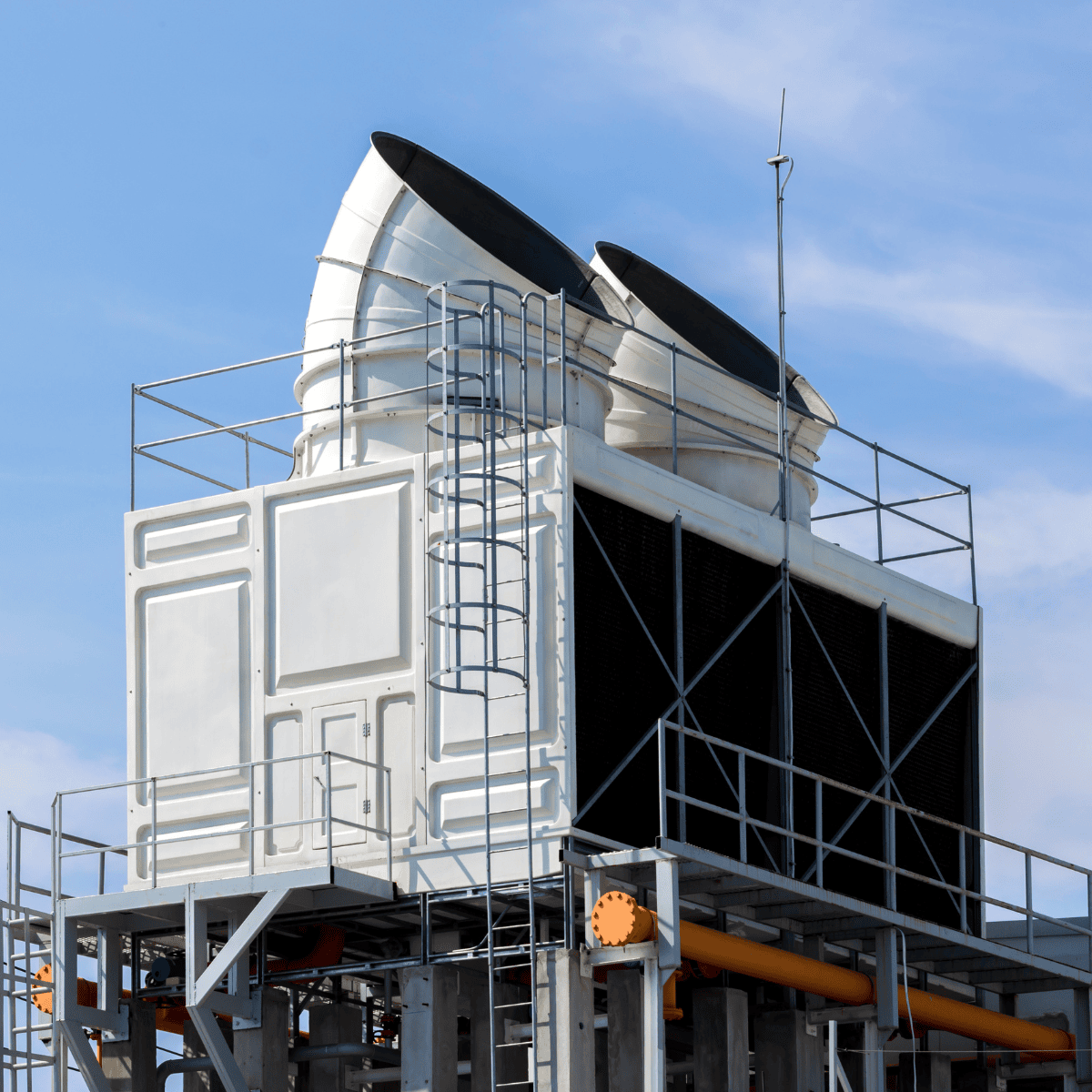
Advanced Cooling & Chiller Water Treatment Solutions
Cooling and chiller water treatment chemicals are important for preventing scale, corrosion, fouling, and microbial growth in cooling systems and chillers. Proper treatment improves heat transfer efficiency, reduces energy consumption, extends equipment life, and ensures smooth system operation. Chemicals such as scale inhibitors, corrosion inhibitors, and biocides help maintain water quality and protect pipelines, cooling towers, and heat exchangers from damage. However, improper chemical dosing can cause side effects such as high TDS, foaming, corrosion, environmental pollution, and reduced system performance. Therefore, proper monitoring and treatment are essential for efficient and reliable cooling system operation.
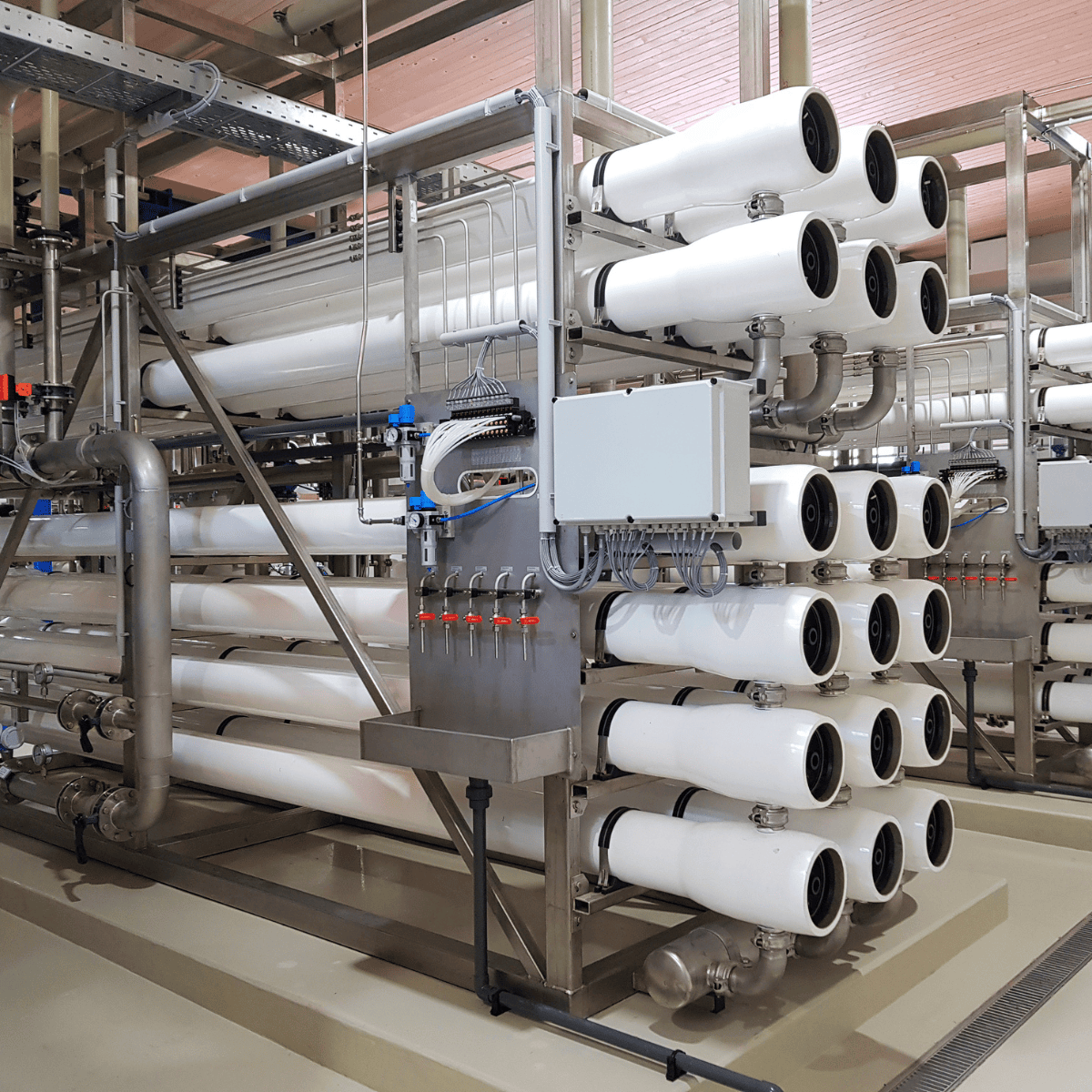
Enhance RO Performance with Advanced Treatment Chemicals
Reverse Osmosis (RO) treatment chemicals are important for maintaining the efficiency, performance, and lifespan of RO membrane systems used in water purification industries, commercial plants, pharmaceuticals, food processing, and desalination systems. RO feed water contains dissolved salts, hardness minerals, silica, suspended solids, microorganisms, and organic contaminants that can cause scaling, fouling, corrosion, and membrane blockage. RO treatment chemicals such as antiscalants, membrane cleaners, biocides, and pH correction chemicals help prevent these issues by controlling mineral deposits, reducing microbial growth, and maintaining proper water chemistry. Proper chemical treatment improves water quality, increases membrane efficiency, reduces energy consumption, minimizes maintenance costs, and extends membrane life.
Without proper RO treatment chemicals, the system can suffer from severe scaling, membrane fouling, biological growth, reduced water flow, poor rejection efficiency, increased operating pressure, and higher energy consumption. Untreated systems may experience frequent membrane cleaning, premature membrane failure, equipment damage, increased downtime, and costly replacements. In addition, microbial contamination and improper water quality can affect overall system reliability and operational safety. Therefore, proper RO chemical treatment is essential for achieving efficient, reliable, and long-lasting water purification performance.
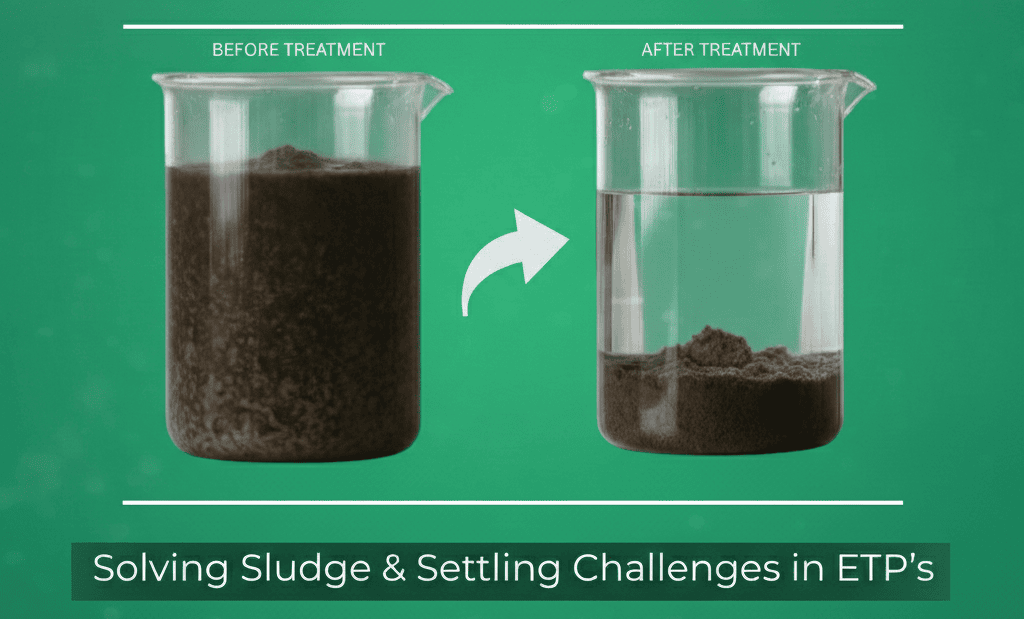
Reliable Polyelectrolyte Solutions for Industrial Applications
Polyelectrolyte chemicals are important in water and wastewater treatment processes for improving solid-liquid separation, sludge dewatering, clarification, and filtration efficiency. These chemicals help coagulate and flocculate suspended particles, making it easier to remove impurities from water in industries, sewage treatment plants, paper mills, mining, textiles, and chemical processing units. Proper use of polyelectrolytes improves water clarity, reduces sludge volume, enhances filtration performance, lowers operational costs, and increases overall treatment efficiency. They also help improve settling rates and reduce turbidity in treated water systems.
Without proper use of polyelectrolyte chemicals, water treatment systems may experience poor floc formation, slow settling, increased turbidity, inefficient sludge dewatering, filter blockage, and reduced treatment efficiency. This can lead to higher chemical consumption, increased maintenance costs, poor water quality, operational instability, and environmental compliance issues. In severe cases, untreated suspended solids can damage equipment, reduce system performance, and increase downtime. Therefore, proper selection and dosing of polyelectrolyte chemicals are essential for efficient and reliable water treatment operations.

Water treatment resins are important for removing hardness, dissolved ions, impurities, and unwanted minerals from water in applications such as water softening, demineralization, deionization, and industrial water purification systems. These ion exchange resins help improve water quality by removing calcium, magnesium, silica, nitrates, and other dissolved contaminants that can cause scaling, corrosion, and equipment damage. Proper use of water treatment resins improves system efficiency, protects boilers and RO membranes, enhances product quality, reduces maintenance costs, and extends the lifespan of industrial equipment and pipelines. They are widely used in industries such as power plants, pharmaceuticals, food processing, textiles, and chemical manufacturing.
Without proper use of water treatment resins, water systems can experience hardness buildup, scaling, corrosion, reduced water quality, poor filtration performance, and increased Total Dissolved Solids (TDS). Untreated water can damage boilers, cooling towers, heat exchangers, and RO membranes, leading to higher energy consumption, frequent maintenance, equipment failure, and costly downtime. In severe cases, poor water quality may also affect industrial processes, product consistency, and operational reliability. Therefore, proper resin selection, regeneration, and maintenance are essential for efficient and reliable water treatment performance.